







영어로 읽어보는 사모곡
2005.08.04 15:06
Kim Hak
Introduction
Kim Hak
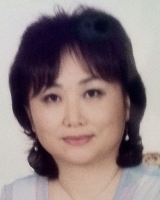
Author Kim Hak made his debut in the literary world by a publication in the Monthly Literature in 1980. This prolific writer has written eight essay collections including The Sickness of Autumn (Kaul Aree) and The Beautiful Challenge (Areumdaun Dojun). He has received a number of literary prizes such as The Korean Essay Award, The Pen Club Literary Award, The Young-Honam Essay Award, The North Cholla province Literary Award, and the Chonju Award for Art. He has held several highly respected posts, including Chairman of the North Cholla Essay and Literature Association, Chairman of the Representative Essay Literature Association, Chairman of the Imshil Writers' Association, Chairman of the North Cholla Province Writers' Association and Chairman of the North Cholla Branch of the pen Club. He presently holds the concurrent positions of Assistant Director of the Korean Center of the International P.E.N. Club and faculty member of Chunbuk University, specializing in creative essay writing.
Panegyric on Motherhood
Turning my eyes from an attractive heroine on television, I steal a glance at my mother. I open my bag of memories and recall how beautiful mother used to be, more beautiful than the woman on the television, and my eyes turn misty. Mother catches me looking at her and she turns to me and strokes my face with her gaunt hands.
The passage of time has dug wrinkles wider and deeper than a river on my mother's once lovely face, placed heavy glasses on her eyes that used to shine like stars, and replaced her teeth which were as fresh as pomegranates with dentures. My mother was born in 1919, when cries of liberty for Korea rang out across the land like the voice of the Messiah. My mother, who at the age of seventeen married my father of the same age through a matchmaker when she was still dreaming of magnolias in March. After having lived three years in her husband's home, just when she was beginning to learn what it meant to love a husband, she was widowed at the age of twenty-one and had to don white mourning clothes. Even before the bloody sadness of her youthful widowhood had faded away, the Korean War broke out, and my mother lost her father-in-law to the bullet of an assassin. Then, before her mourning clothes had once again absorbed her sweat, my mother lost her one-year-old daughter, and had to swallow back her tears yet again. Looking back, it seems that my mother lived with tragedy as the stepping stones beneath her feet. If her unwept tears had been collected, they would have created a river, and if her heaving sighs had been gathered up, they would have been higher than the Baek-du Mountain. In the face of my mother, a grandmother now, I search for the painful scars of my family like a vein of ore.
My mother was born and raised in a strict Confucian family. Perhaps for that reason, her decorous manners, sewing dexterity and cooking skills came naturally to her. Sometimes in my childhood, I would wake up from my sleep with a start, having dreamt that my mother had passed away, or that my sister and I had lost my mother and were sobbing in the streets. On nights like those, I would grope around in the dark to make sure that my mother was lying next to me, and only then would I be able to fall back to sleep in peace. I cannot forget those nights, even though an entire generation of rime has passed by.
My mother never had the time to dry the water from her hands, what with all the ancestral rites and the guests that she had to take care of. My mother could recite the Tale of Choon-hyang and the Tale of Shimchong by heart in her clear, resonant voice. Everyone came to my mother to have their wedding papers written in calligraphy. My mother would travel around the fields, commanding the workhands as if they were her own hands and feet. My mother was always the life of any festivity with her eloquent speech and wonderful singing. I had always hoped that she would remain as fresh as an evergreen, but I realize now that she is already sixty-three.
A cold wind blows through my heart.
If my mother had flown away from my side like a bluebird in search of her own happiness, what would have happened? I am no more than a frail tree who has grown up solely on the sustenance of my mother's sacrifice. As a sapling, I bent under the slightest wind and seemed to break in the snow and sleet. I have grown up on my mother's love as the sun, her tears as water, and her scolding as nourishment.
These day's my mother suffers form indigestion. Although she has tried both western and eastern medicine, nothing seems to work.
Her illness is one with a long history, bran at a time when she had to eat thin gruel made from wheat bran and satisfy her hunger by mixing things like mugwort, radishes, and potatoes into her rice. It was not because there was no rice in the house. Though there was a rice container taller than me which was full of rice, she tightened her waistband in fear that we might run out of rice or that she might not be able to afford her children's education. My mother simply exhausted her youth with such sacrifice.
The distance from my home in the countryside to the market place in the village of Oh-soo was twenty li through a steep, serpentine path over a mountain. My mother walked that distance to save the transportation fare. It made her happy to return home in the evening with the notebooks and pencils she had bought for us with the money she had saved by skipping lunch. When I think of the state of modern medicine, which cannot cure even my mother's indigestion, I wonder what meaning can be found in the successful flight of the space shuttle Columbia.
Mencius' mother is known to have moved houses three times for her son's education.
We are well aware that she is a perfect model for motherhood. Needless to say, she is an individual who deserves much respect. Yet, I wonder if many mothers in this land fall short of her greatness. Is it because their sons are so unremarkable compared to Mencius? Is that why these mothers have not received the acclaim that they deserve? My own mother is one of those mothers. With embers buried in her heart like a fireplace, and swallowing down the dregs of life within her, she still worries about her forty-year-old son. "Be careful not to catch a cold," "don't drink too much," "never make enemies" ― she has never had even one day of peace. Whenever she
has time, she takes the hand of her granddaughter or grandson, and with a bundle of rice, candles and fruit balanced on her head, she climbs the steep mountain path to make an offering at her Buddhist temple. I wonder if it is too late for her to stop the passage of time. As I ponder about her, my eyes become moist, and my heart fills with remorse.
Introduction
Kim Hak
Author Kim Hak made his debut in the literary world by a publication in the Monthly Literature in 1980. This prolific writer has written eight essay collections including The Sickness of Autumn (Kaul Aree) and The Beautiful Challenge (Areumdaun Dojun). He has received a number of literary prizes such as The Korean Essay Award, The Pen Club Literary Award, The Young-Honam Essay Award, The North Cholla province Literary Award, and the Chonju Award for Art. He has held several highly respected posts, including Chairman of the North Cholla Essay and Literature Association, Chairman of the Representative Essay Literature Association, Chairman of the Imshil Writers' Association, Chairman of the North Cholla Province Writers' Association and Chairman of the North Cholla Branch of the pen Club. He presently holds the concurrent positions of Assistant Director of the Korean Center of the International P.E.N. Club and faculty member of Chunbuk University, specializing in creative essay writing.
Panegyric on Motherhood
Turning my eyes from an attractive heroine on television, I steal a glance at my mother. I open my bag of memories and recall how beautiful mother used to be, more beautiful than the woman on the television, and my eyes turn misty. Mother catches me looking at her and she turns to me and strokes my face with her gaunt hands.
The passage of time has dug wrinkles wider and deeper than a river on my mother's once lovely face, placed heavy glasses on her eyes that used to shine like stars, and replaced her teeth which were as fresh as pomegranates with dentures. My mother was born in 1919, when cries of liberty for Korea rang out across the land like the voice of the Messiah. My mother, who at the age of seventeen married my father of the same age through a matchmaker when she was still dreaming of magnolias in March. After having lived three years in her husband's home, just when she was beginning to learn what it meant to love a husband, she was widowed at the age of twenty-one and had to don white mourning clothes. Even before the bloody sadness of her youthful widowhood had faded away, the Korean War broke out, and my mother lost her father-in-law to the bullet of an assassin. Then, before her mourning clothes had once again absorbed her sweat, my mother lost her one-year-old daughter, and had to swallow back her tears yet again. Looking back, it seems that my mother lived with tragedy as the stepping stones beneath her feet. If her unwept tears had been collected, they would have created a river, and if her heaving sighs had been gathered up, they would have been higher than the Baek-du Mountain. In the face of my mother, a grandmother now, I search for the painful scars of my family like a vein of ore.
My mother was born and raised in a strict Confucian family. Perhaps for that reason, her decorous manners, sewing dexterity and cooking skills came naturally to her. Sometimes in my childhood, I would wake up from my sleep with a start, having dreamt that my mother had passed away, or that my sister and I had lost my mother and were sobbing in the streets. On nights like those, I would grope around in the dark to make sure that my mother was lying next to me, and only then would I be able to fall back to sleep in peace. I cannot forget those nights, even though an entire generation of rime has passed by.
My mother never had the time to dry the water from her hands, what with all the ancestral rites and the guests that she had to take care of. My mother could recite the Tale of Choon-hyang and the Tale of Shimchong by heart in her clear, resonant voice. Everyone came to my mother to have their wedding papers written in calligraphy. My mother would travel around the fields, commanding the workhands as if they were her own hands and feet. My mother was always the life of any festivity with her eloquent speech and wonderful singing. I had always hoped that she would remain as fresh as an evergreen, but I realize now that she is already sixty-three.
A cold wind blows through my heart.
If my mother had flown away from my side like a bluebird in search of her own happiness, what would have happened? I am no more than a frail tree who has grown up solely on the sustenance of my mother's sacrifice. As a sapling, I bent under the slightest wind and seemed to break in the snow and sleet. I have grown up on my mother's love as the sun, her tears as water, and her scolding as nourishment.
These day's my mother suffers form indigestion. Although she has tried both western and eastern medicine, nothing seems to work.
Her illness is one with a long history, bran at a time when she had to eat thin gruel made from wheat bran and satisfy her hunger by mixing things like mugwort, radishes, and potatoes into her rice. It was not because there was no rice in the house. Though there was a rice container taller than me which was full of rice, she tightened her waistband in fear that we might run out of rice or that she might not be able to afford her children's education. My mother simply exhausted her youth with such sacrifice.
The distance from my home in the countryside to the market place in the village of Oh-soo was twenty li through a steep, serpentine path over a mountain. My mother walked that distance to save the transportation fare. It made her happy to return home in the evening with the notebooks and pencils she had bought for us with the money she had saved by skipping lunch. When I think of the state of modern medicine, which cannot cure even my mother's indigestion, I wonder what meaning can be found in the successful flight of the space shuttle Columbia.
Mencius' mother is known to have moved houses three times for her son's education.
We are well aware that she is a perfect model for motherhood. Needless to say, she is an individual who deserves much respect. Yet, I wonder if many mothers in this land fall short of her greatness. Is it because their sons are so unremarkable compared to Mencius? Is that why these mothers have not received the acclaim that they deserve? My own mother is one of those mothers. With embers buried in her heart like a fireplace, and swallowing down the dregs of life within her, she still worries about her forty-year-old son. "Be careful not to catch a cold," "don't drink too much," "never make enemies" ― she has never had even one day of peace. Whenever she
has time, she takes the hand of her granddaughter or grandson, and with a bundle of rice, candles and fruit balanced on her head, she climbs the steep mountain path to make an offering at her Buddhist temple. I wonder if it is too late for her to stop the passage of time. As I ponder about her, my eyes become moist, and my heart fills with remorse.

댓글 0
| 번호 | 제목 | 글쓴이 | 날짜 | 조회 수 |
|---|---|---|---|---|
| 134 | 왕산의 비밀 | 김병규 | 2005.09.10 | 49 |
| 133 | 어머니,그 영광스러운 호칭 | 김학 | 2005.09.06 | 66 |
| 132 | 초막에서 만난 다산정신 | 양용모 | 2005.09.05 | 60 |
| 131 | 코스코스와 아이들 | 권영숙 | 2005.09.04 | 140 |
| 130 | 눈물의 의미 | 김병규 | 2005.08.30 | 60 |
| 129 | 호박꽃의 항변 | 정현창 | 2005.08.24 | 67 |
| 128 | 인생GPS | 유영희 | 2005.08.20 | 50 |
| 127 | 아이들의 스트레스 | 서향숙 | 2005.08.19 | 48 |
| 126 | 마스크 | 고명권 | 2005.08.16 | 42 |
| 125 | 굳게 닫힌 문 | 권영숙 | 2005.08.14 | 43 |
| 124 | 눈물 젖은 김밥 | 정현창 | 2005.08.09 | 51 |
| 123 | 새로운 사랑에 푹빠졌습니다 | 정현창 | 2005.08.08 | 57 |
| » | 영어로 읽어보는 사모곡 | 김학 | 2005.08.04 | 583 |
| 121 | 성묘 | 김재훈 | 2005.08.02 | 44 |
| 120 | 한 여름밤의 음악분수 쇼 | 장병선 | 2005.08.01 | 42 |
| 119 | 알몸 노출죄 | 정현창 | 2005.08.01 | 66 |
| 118 | 덕진공원의 새벽풍경 | 신영숙 | 2005.07.30 | 35 |
| 117 | 명함을 버릴 때 | 최화경 | 2005.07.27 | 44 |
| 116 | 누릉지 공적조서 | 정현창 | 2005.07.24 | 79 |
| 115 | 씻뻴하세요 | 유영희 | 2005.07.24 | 40 |